
They call it a bad omen. A sign of death. A creature to be feared, chased, and forgotten. But the crow, misunderstood for centuries, suffers in silence for a reputation it never chose.
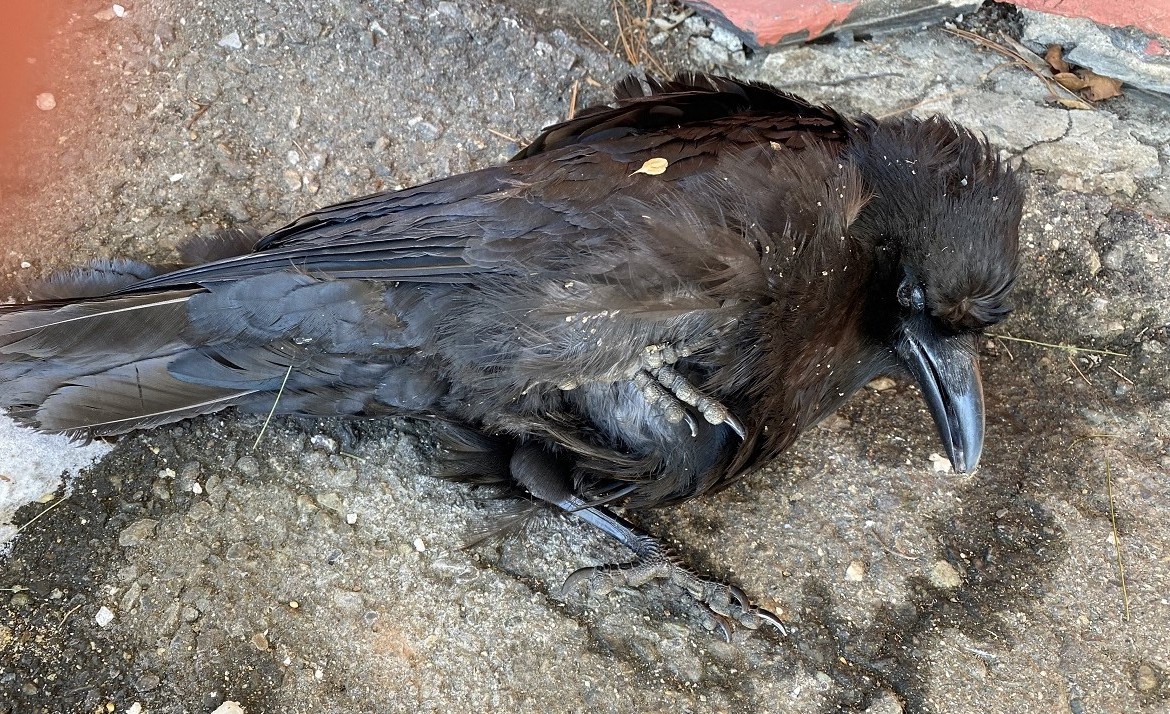
Across villages and cities, crows are met with stones instead of sympathy, suspicion instead of shelter. Their black feathers and sharp cries have made them targets of superstition, not compassion. Children are taught to fear them. Adults turn away. And when one is found injured or lost, few stop to care.
But look closely. Behind those piercing eyes is intelligence, loyalty, even grief. A crow remembers the faces that help—or harm—it. It mourns its dead. It builds tools. It raises its young with tenderness. Yet none of that matters in a world that only sees darkness in its wings.
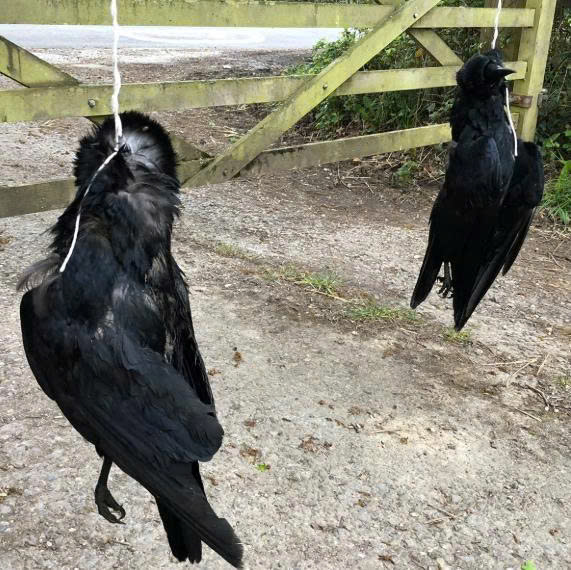
There was once a crow, wing broken, lying in the dust of a marketplace. People stepped over it. One even kicked it aside. Only a child noticed. Only a child saw pain, not evil. That child gave it water—and hope.
How many more crows must suffer for a myth? How long will we let ignorance justify cruelty?
The next time you see a crow, ask yourself:
Is it a warning… or is it a chance for us to be better?
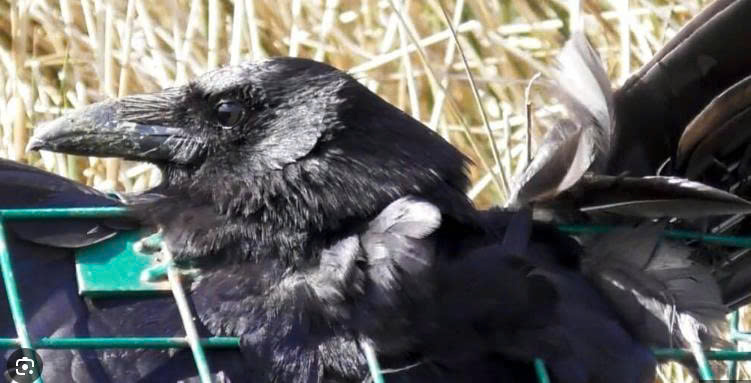
It was barely breathing when they found it—one wing mangled by a trap, its feathers soaked in poison, its eyes dim with pain.
The crow lay in silence, as if it had given up on the world long before the world noticed it was suffering.
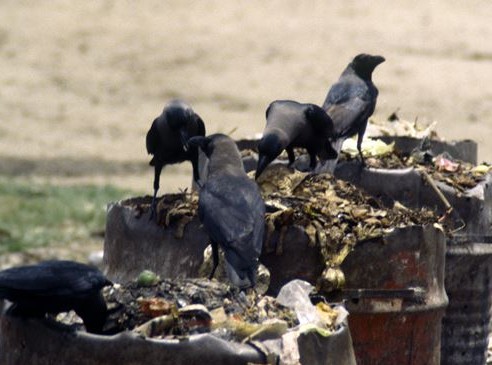
Every year, countless crows fall victim to human cruelty—caught in snares, shot for sport, or poisoned by toxic chemicals left in fields. Most don’t survive. But some do. And when they do, it’s because someone chose not to look away.
This crow was rescued by a man who had once feared them. He found it shivering behind his shed, barely able to move. He brought it in, cleaned its wounds, fed it drop by drop. For weeks, it didn’t respond—until one morning, it blinked slowly and let out the faintest caw.
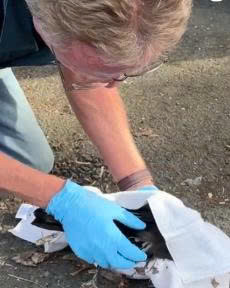
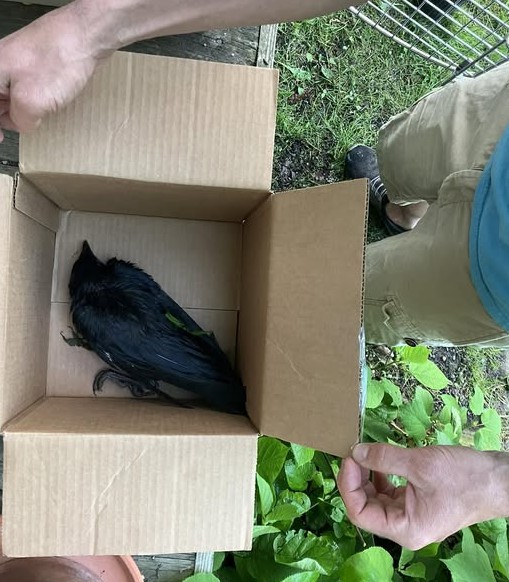
That was the turning point.
Over time, its feathers grew back. It stood tall again, proud and alert. It never flew quite the same—but it lived. And it looked at its rescuer with something close to understanding.
Behind every healed crow is a story of resilience—and of someone who cared enough to help.
We see them as shadows, but they carry light.
We ignore them, but they remember.
The next time you see a crow, ask yourself:
Is it too late to care—or just in time to save?
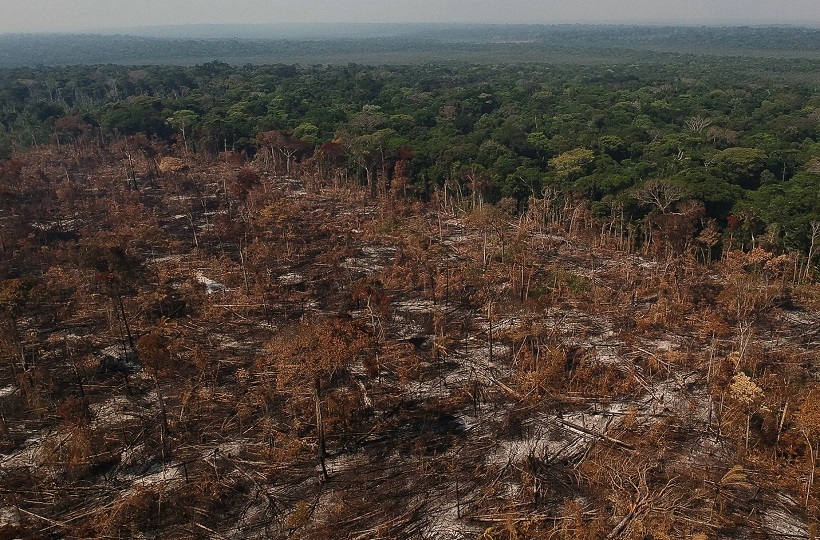
When the trees fall, silence follows—not just from the rustling leaves, but from the voices that once called them home.
The crow, a sentinel of the skies and a quiet keeper of balance, is among the first to feel the wound of a broken forest.
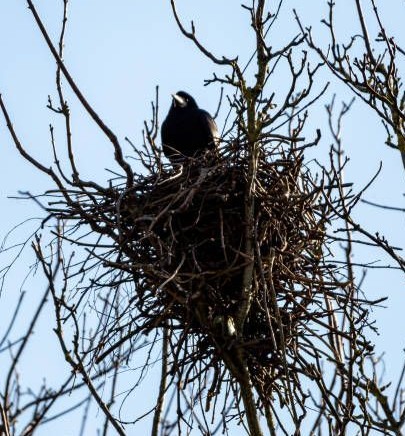
Every tree cut is not just wood lost—it is a cradle destroyed. Nests once hidden high above the ground are torn down, leaving eggs shattered, fledglings gone. Crows, highly intelligent and social birds, return to find the branches where their young once lived now reduced to stumps and dust.
But the loss doesn’t stop with them.
Crows are vital to the ecosystem—they scavenge, clean, and even plant. They alert other animals to danger. They carry memory across generations. When they vanish, the silence grows louder. Insects spread. Waste lingers. And the balance falters.
A crow doesn’t need luxury—just a safe tree, a quiet place to raise its young. But deforestation and careless destruction are making even that impossible.
One rescuer wrote, “I found a baby crow wandering beneath bulldozers, calling for a nest that no longer existed.”
That image stays. That cry echoes.
Until we stop cutting more than just trees, until we see forests not as obstacles but as homes,
we will keep losing more than crows.
We’ll lose what connects us to the sky.
