
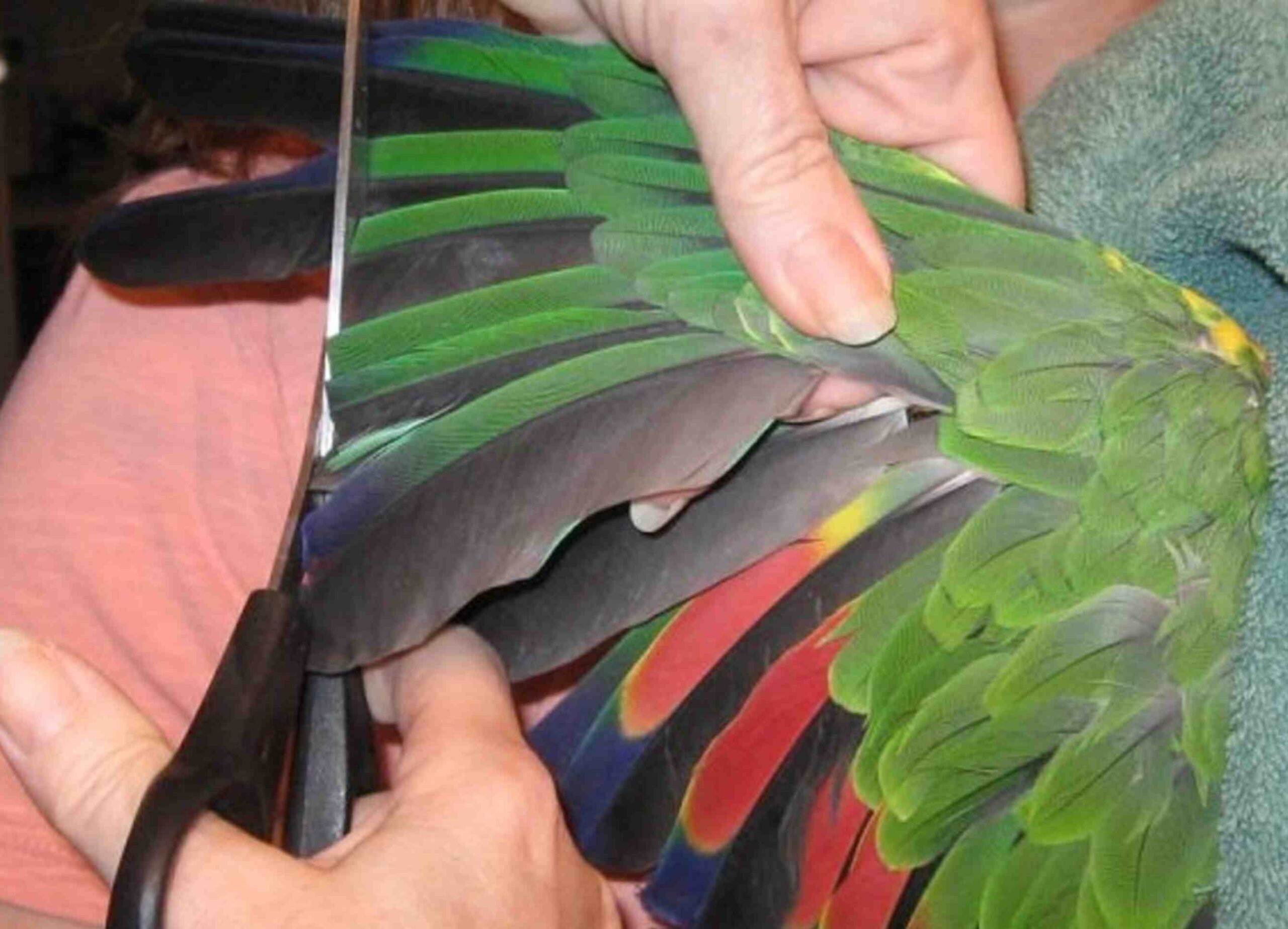
They were born to fly, but now they can’t even stretch their wings. In dark corners of forgotten rooms, parrots sit in silence—once brilliant in color and sound, now dulled by neglect. Their wings, once meant to soar across vast skies, have been clipped without mercy, leaving behind stubs that bleed not just feathers, but freedom. These are not isolated tragedies—they are everyday occurrences for parrots kept as entertainment, ornaments in cages too small to turn around, and without a ray of natural light.
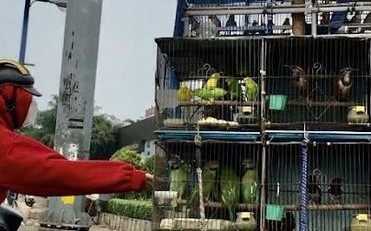
Imagine the mind of a creature built for flight, locked behind cold bars, surrounded by silence and shadows. Many parrots, in their pain, begin to pluck their own feathers, as if trying to tear away the invisible chains wrapped around their spirit. They scream, not in mimicry, but in desperation—cries that no one listens to.
Yet behind every broken wing is a soul still yearning for the sky. Parrots are not meant to entertain us. They are not toys. They are wild, intelligent beings—capable of love, memory, and sorrow.
If we don’t speak up for them, who will?
Every second a parrot spends in a cage is a second stolen from its true life.
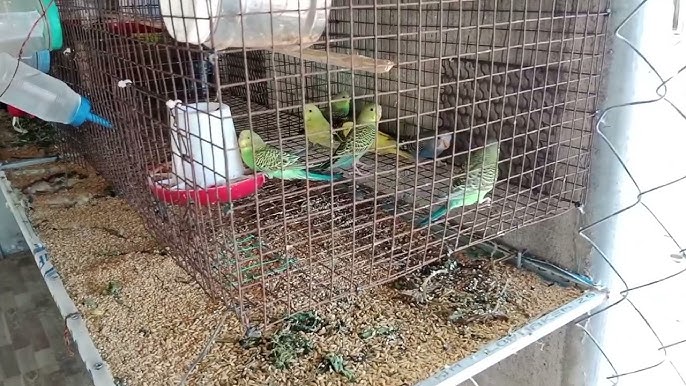
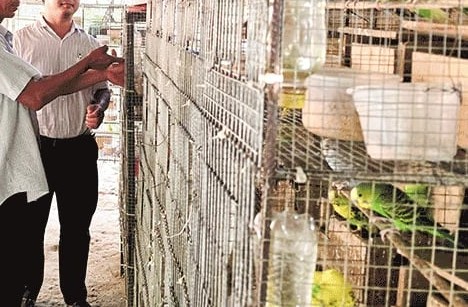
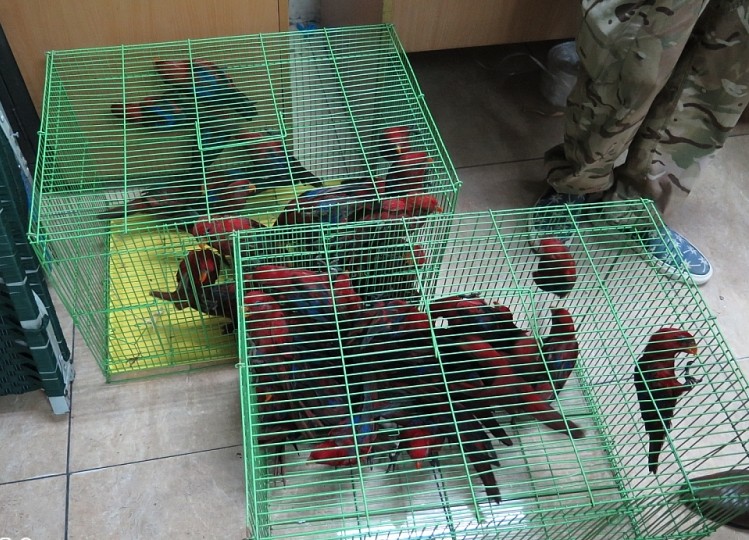
They are stolen, smuggled, and sold — their wings wrapped in darkness, their voices silenced by cages.
The illegal trading of parrots is not just a crime against law — it is a betrayal of life itself. These beautiful, intelligent birds are ripped from their natural homes, often as babies, stuffed into cramped boxes, hidden in backpacks, or taped under clothing. Many never survive the journey. Those who do, arrive broken — scared, dehydrated, and traumatized.
In bustling markets or behind closed doors, parrots are exchanged for money, as if they were nothing more than commodities. No one sees their panic. No one hears their silent cries. They are treated not as living beings, but as colorful trophies — something to be owned, displayed, and forgotten when the novelty fades.
Each parrot stolen from the wild is a voice lost from the forest.
Each transaction fuels a cruel cycle — the more we buy, the more they are hunted.
And yet, few speak of the heartbreak behind those bright feathers.
Parrots are not possessions. They are creatures of freedom, of song, of sky.
They deserve the wind, not wire. They belong to the wild, not in cages.
Until we say no to illegal trade, the pain will never end.
Parrots are vanishing — not because they are weak, but because we are silent.
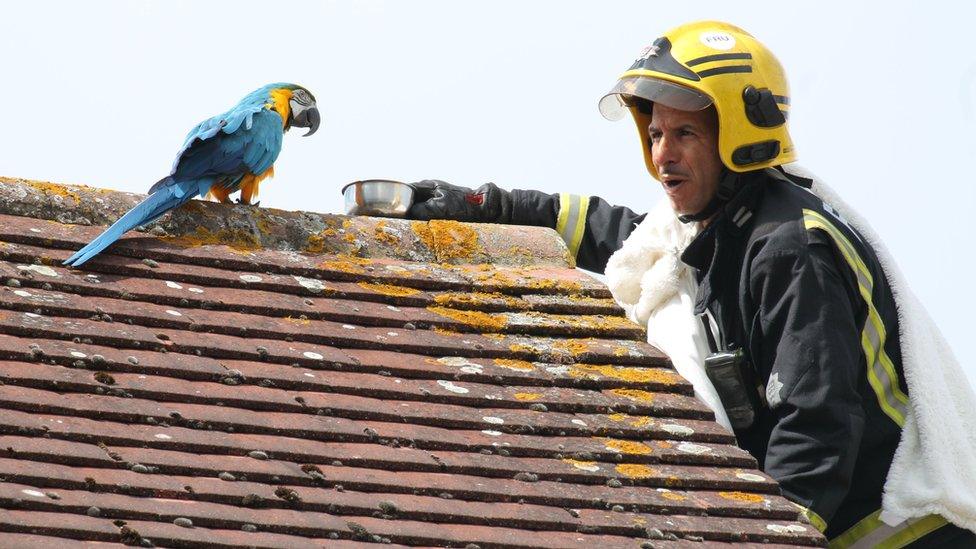
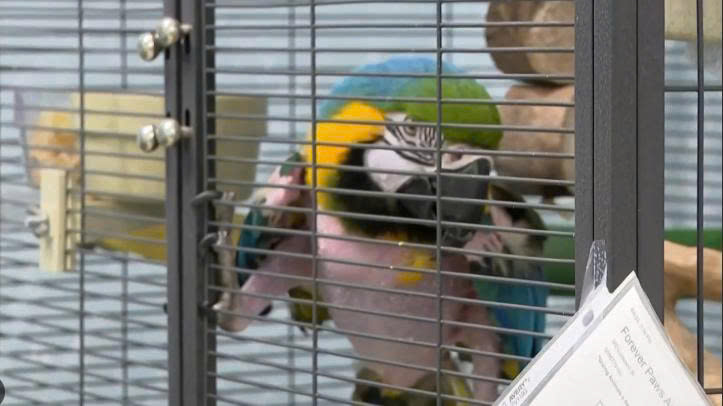
At rescue centers around the world, these broken parrots are carried in silence. Each one has a story: of abuse, neglect, loneliness. Some were locked in darkness for years, others left behind when their owners moved on. Their spirits are fragile. Their trust, shattered.
But what happens next is nothing short of a miracle.
With time, warmth, and patience, these parrots begin to change. Their feathers slowly grow back. Their eyes find light again. They learn to sing—not in fear, but in freedom. A once-muted cage becomes filled with color, laughter, and life. The before-and-after photos are not just about appearances—they are proof of what love and rescue can do.
One parrot, once starving and silent, now dances every morning to the sound of caregivers’ voices. Another, once biting from fear, now perches calmly on a gentle hand. These aren’t just pets—they are survivors.
Each rescue story reminds us: parrots don’t need cages—they need compassion.
And when we choose to care, when we support the hands that heal, we change the world—one parrot at a time.
