Visit us at rescues.animalsupport369.com to follow, support, and share our mission. In the heart of Australia’s wild and sunburnt land, where golden grasses sway beneath wide open skies, a miracle begins in silence. It’s here that the story of a kangaroo—nature’s gentle jumper—takes its very first breath. And like many wild beings, this life begins in a fragile world that needs our compassion and care more than ever.
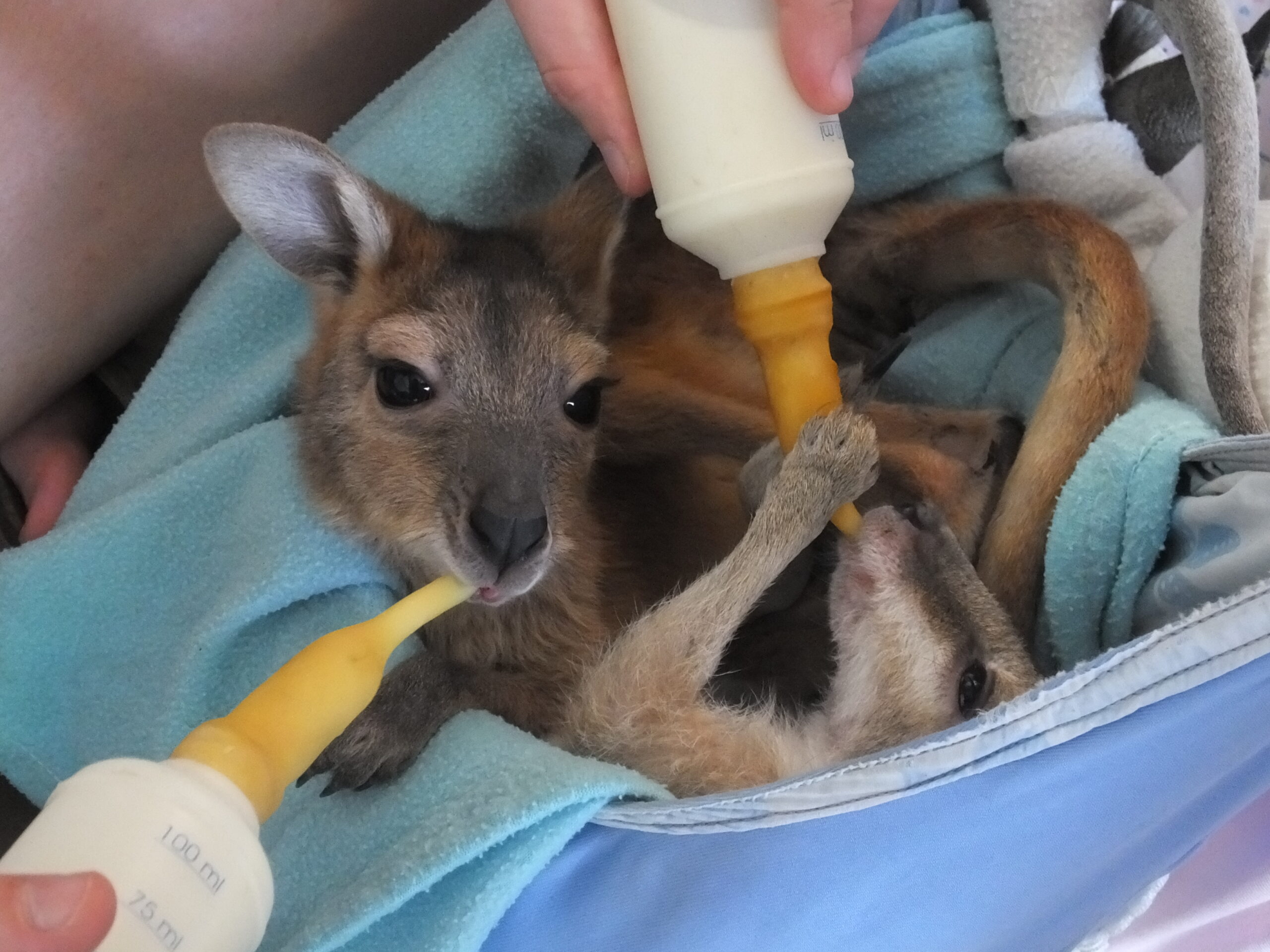
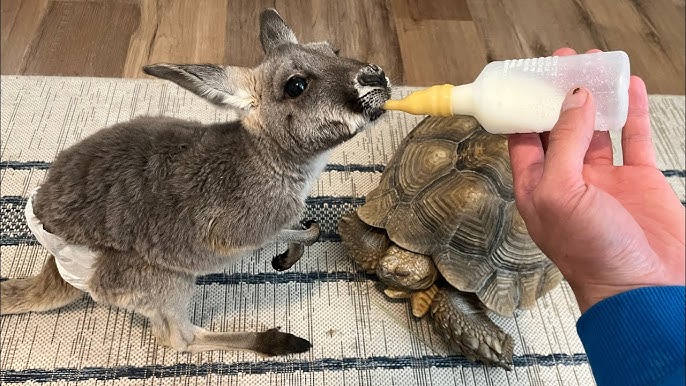
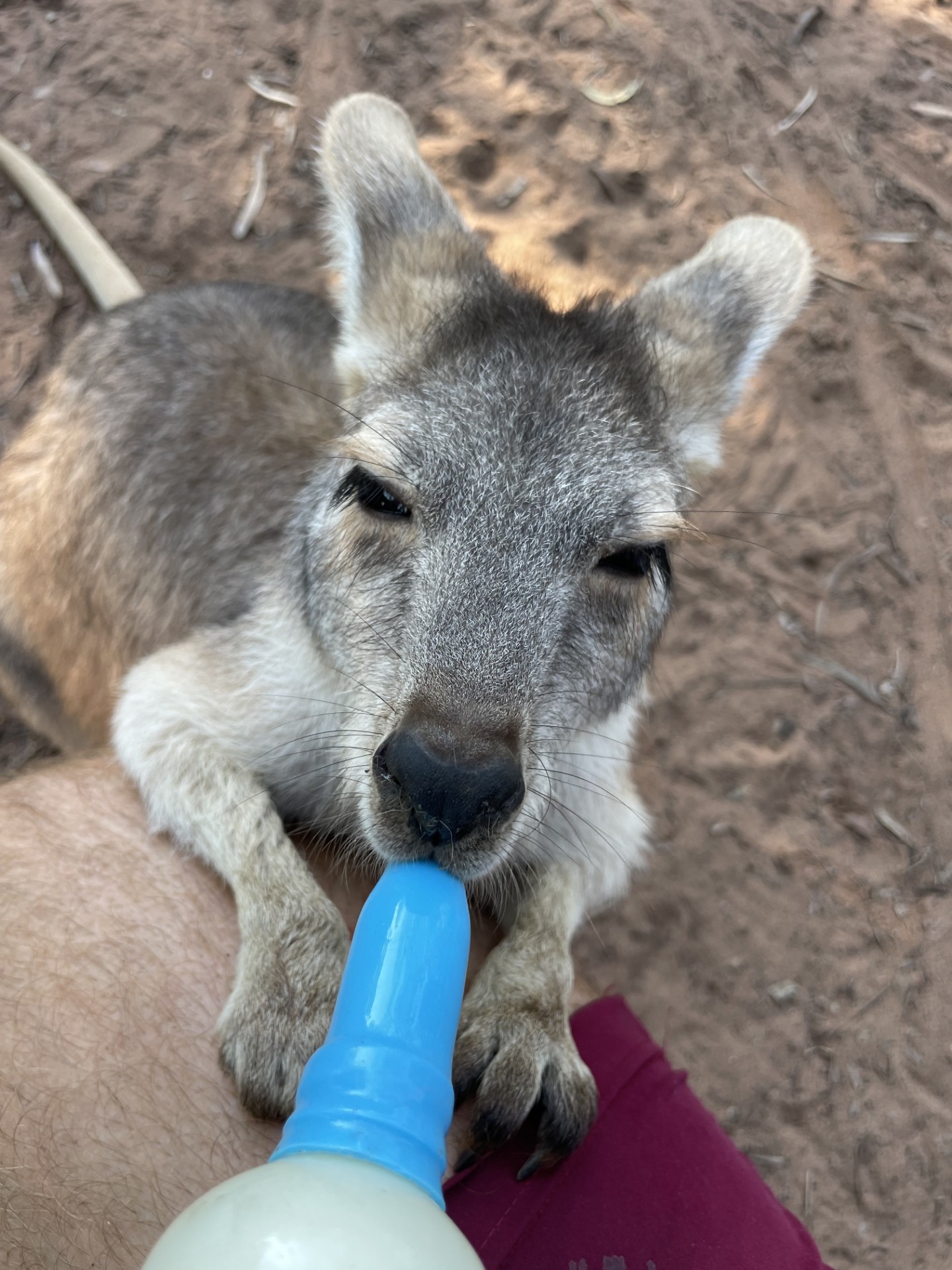
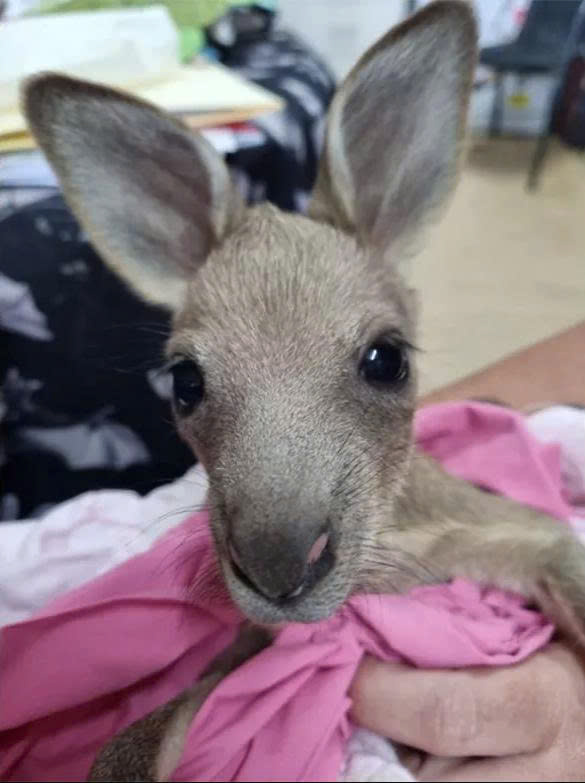
You see a group of tiny kangaroos, their eyes wide with fear and need. Some clutch fragile bottles, trembling as warm formula drips into their mouths. Their fur is damp, their bodies small and thin—hungry for survival and anxious for comfort. These joeys are orphans, robbed of their mothers and forced to rely on strangers for every feed. They sit quietly, huddled together, desperate for warmth and the slightest human reassurance. It’s heartbreaking to imagine how alone and helpless they must feel, crying softly for sustenance that only we can provide. They look up with timid hope, trusting our kindness to carry them through this cruel chapter.
They are living reminders of human responsibility—to rescue, to nurture, and to restore hope.
In this haunting image, tiny kangaroo joeys stare blankly, their eyes filled with confusion and sorrow. Their mothers have been gunned down by hunters or cullers, leaving them abandoned in a hostile, fragmented wilderness. These defenseless youngsters, separated from the only source of warmth and nourishment they ever knew, huddle in cold silence beneath the pallid sky. Their fur is matted, their little bodies frail and trembling. With no mother’s pouch to shelter them, they cling to scraps of hope—and to each other—as they await rescue that may never arrive. This scene is more than tragic—it is a stark testament to the brutal toll of commercial hunting quotas and poor oversight.
We must demand an end to this cruelty. Please support wildlife protection laws, petition for transparent, humane practices, and uplift the call for peaceful coexistence with kangaroos—as living beings, not commodities.
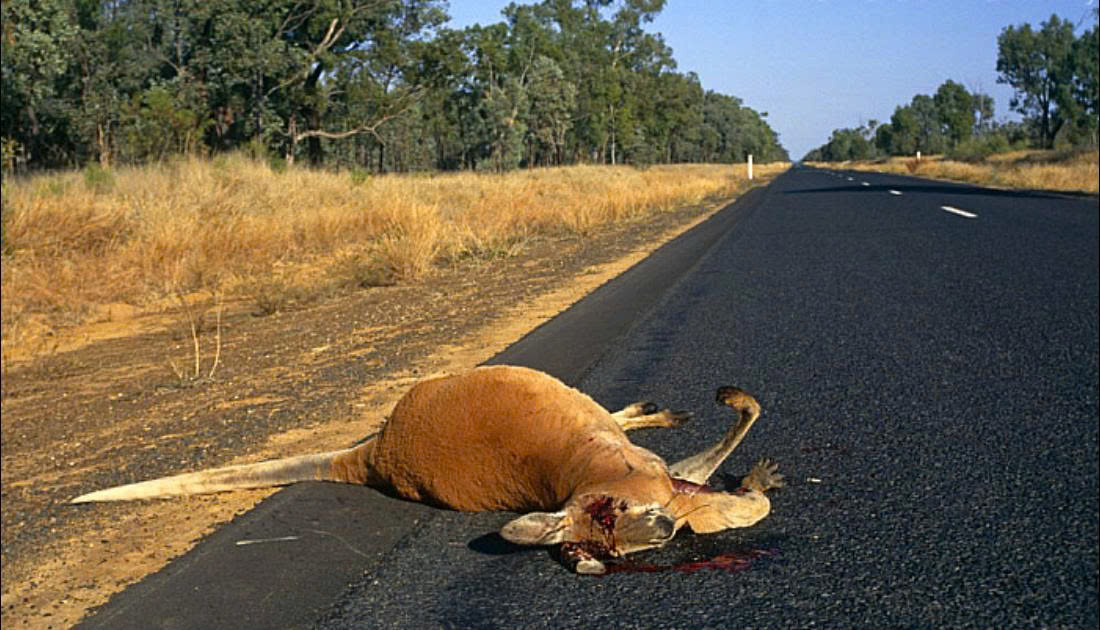
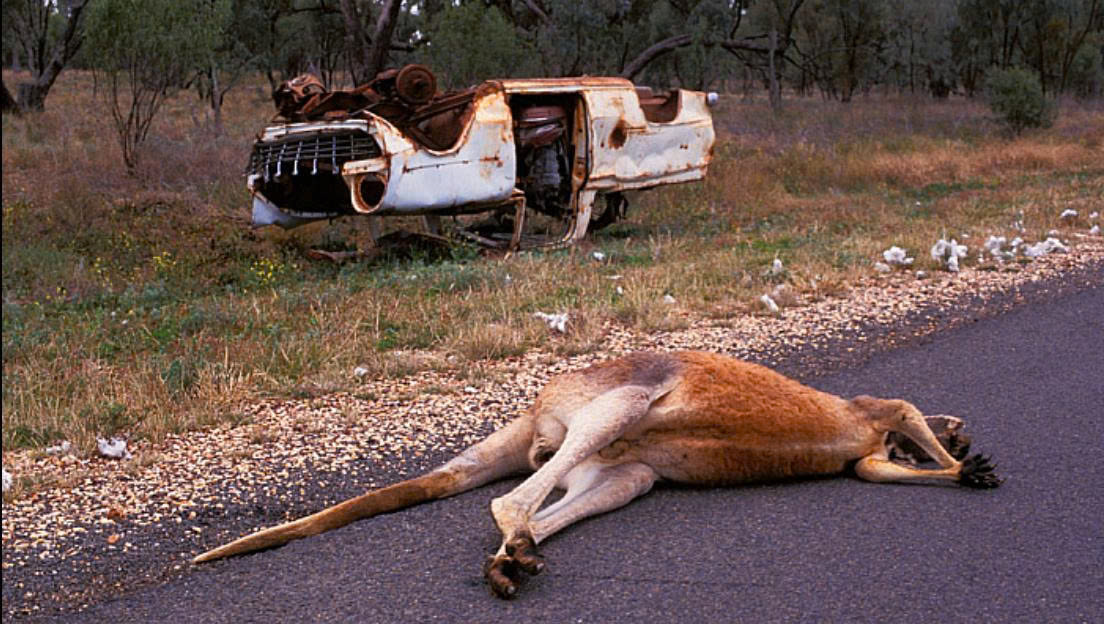
Here is a poignant image carousel showing kangaroos tragically struck by vehicles along roadsides in Australia. These visuals portray the heartbreaking reality of wildlife suffering amidst growing infrastructure and traffic.
In this distressing scene, kangaroos lie motionless on asphalt—victims of vehicle collisions on busy highways and rural roads. Their lifeless bodies, often in mid-jump, bear witness to the brutal impact. These are not isolated incidents: kangaroos account for 80–90% of animal–vehicle collisions in Australia
As infrastructure expands into habitats, more roos are drawn to roadside vegetation and water runoff zones, especially during drought or springtime rain
Drivers frequently confront kangaroos at dawn or dusk hours, when visibility is low and animal activity peaks
In states like South Australia, over 2,100
kangaroo collision claims were recorded in a recent year—a 44% rise from two years prior
Such crashes not only inflict immense suffering on wildlife, but also risk human safety.
This situation urgently calls for enhanced measures: wildlife corridors, better signage, lower speeds in high‑risk zones, and driver education. We must push for responsible infrastructure planning that safeguards both native species and motorists—to protect these vulnerable kangaroos and prevent further tragedy.